

I was nineteen years old the first time I watched someone hike from Mexico to Canada on YouTube.
I don’t remember the video clearly anymore. I remember the feeling: that something in me recognized it.
Long stretches of desert in the south, then mountains and snow, then forested volcanic regions, and finally back to grand mountains in the north. A single continuous line drawn across the western edge of a country I had never set foot in.
I was still in India at this time, studying, already beginning the long climb into software and ambition. The trail felt impossibly far away. I put it into the quiet category of things I might do before I turned thirty.
I was always outdoorsy. Weekend trips into nature. Hills, mountains, lakes and trails close to wherever I happened to be living.
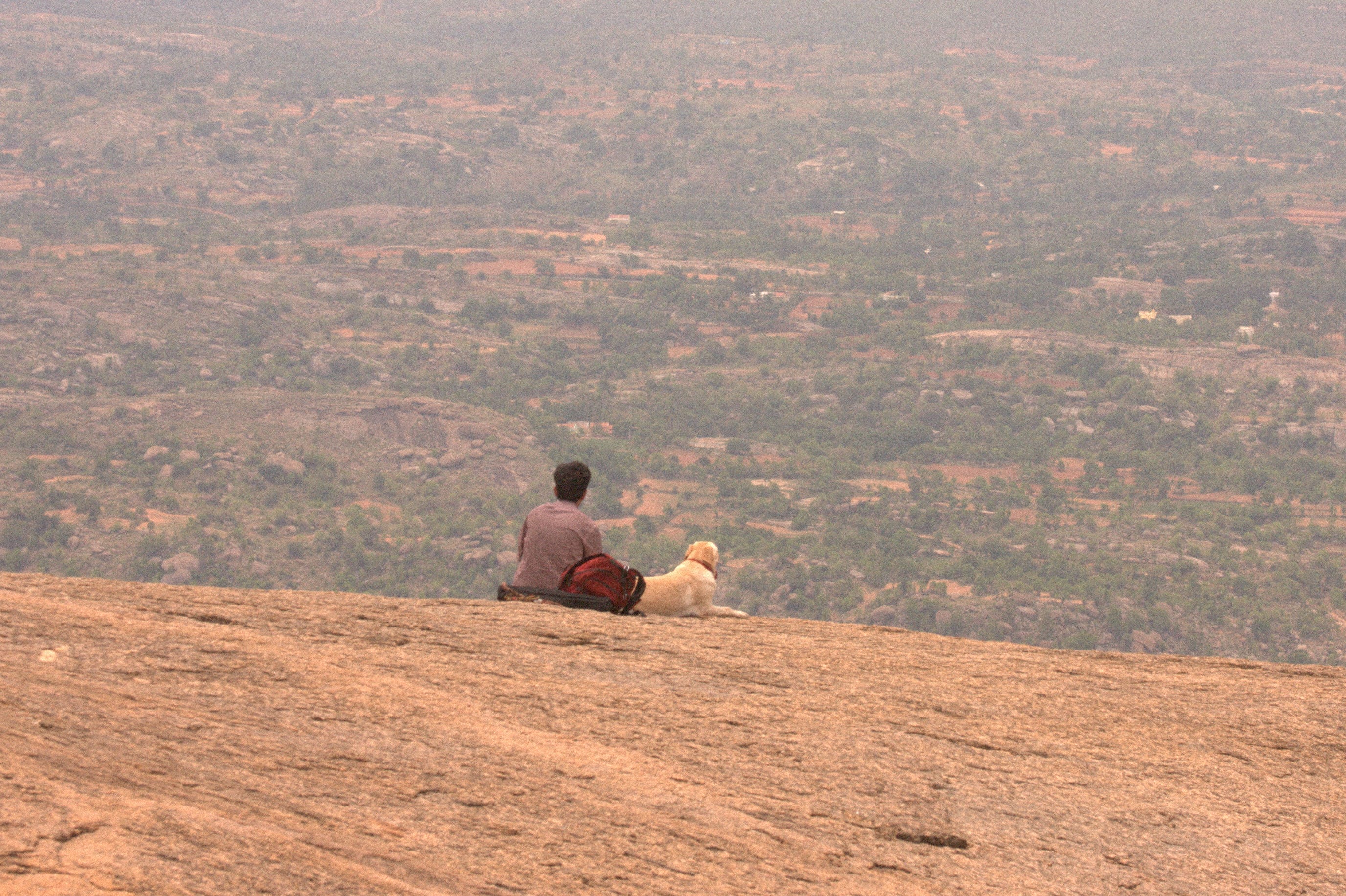
I was busy becoming competent at another kind of hard.
Deadlines. Code. Startups. Enterprise software. Building business relationships. Learning to lead teams and build products from the ground up.
Intellectual work suited me. I was good at it. It rewarded the part of me that likes systems, complexity, and long stretches of effort. The body was mostly the vehicle that carried the mind to the next meeting.
The bill arrived later.
When I turned thirty, I took stock and found three herniated discs, along with a body that had begun keeping its own record of the years I'd spent ignoring it. Years of sitting for too long, sleeping too little, carrying stress from one deadline to the next. The work kept getting done. I kept getting better at it. But physically, I was moving in the other direction.
The three years before the trail had been especially intense: building a product from scratch while leading engineers across four time zones. I was always available. Always solving something. Always telling myself that the next milestone would be a good time to slow down.
There was always another milestone.
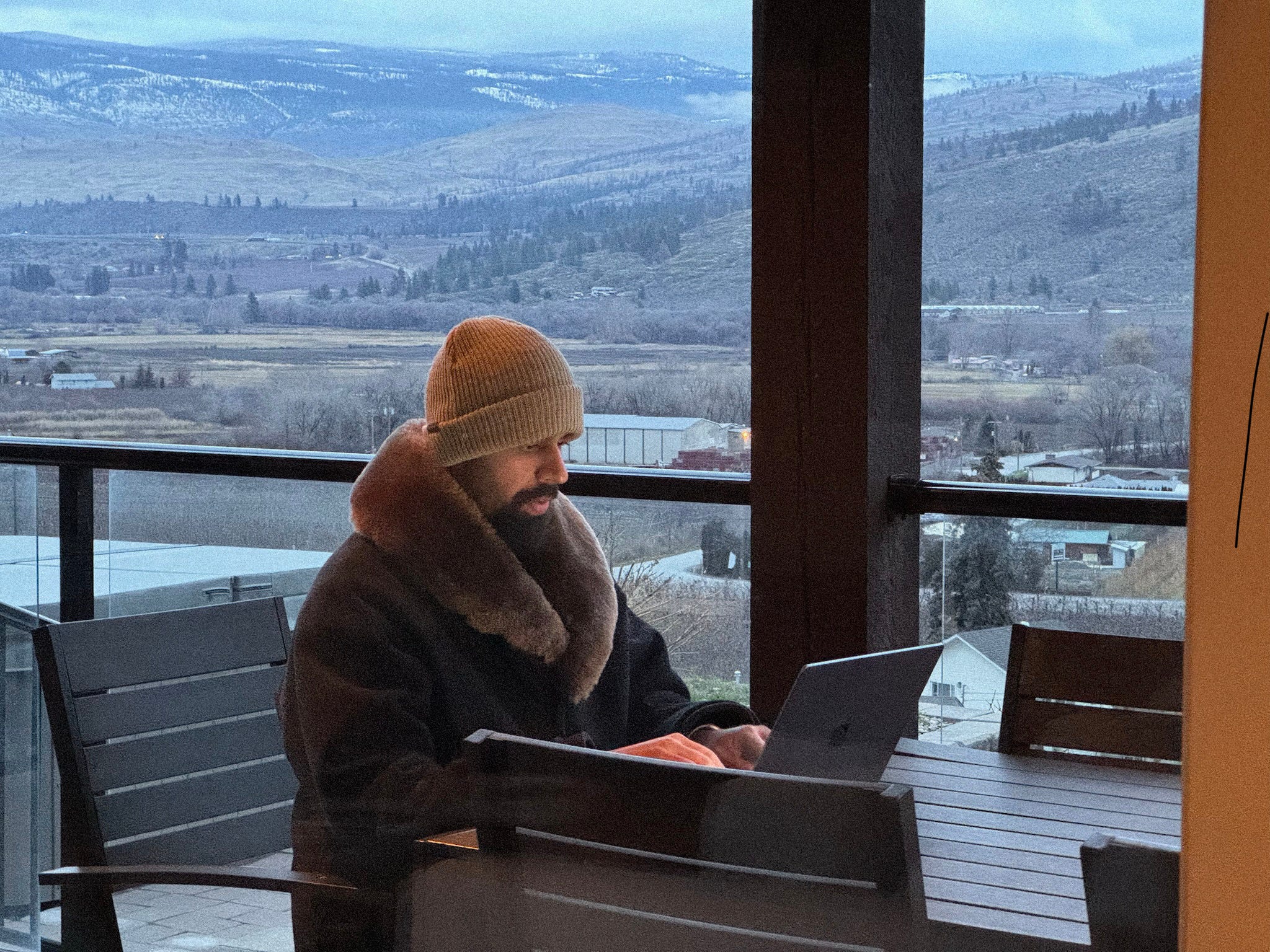
And just as I was beginning to question how long I wanted to live that way, the profession itself began to change. AI was rewriting the software landscape. As an experienced engineer, I could see the fork clearly.
One direction led deeper into the new world: learn it properly, become native to it, and spend the next decade getting very good at something that was changing the shape of the profession itself.
The other was to stay where I was, in the systems that already existed, and ride them for as long as they lasted.
I wanted the first path.
But I also knew what it would cost.
If I committed to that depth, I could easily spend another decade before doing anything as large, and physically demanding as the Pacific Crest Trail.
The goal I had set as a teenager was still sitting on the other side of thirty.
But now there was a difference.
At nineteen, thirty had felt like an arbitrary deadline. At thirty, time had acquired a body, and mine had already started keeping its own record.
It was no longer - When will I have time to do this?
It was - How much longer can I keep telling myself I will?
That was when the soft goal of completing the Pacific Crest Trail solidified.
I wanted to know what it felt like to do something difficult without turning it into a direct career advantage.
Most of the hard things I had done in my adult life had led somewhere. A difficult project became a promotion. Learning something new made me more valuable. Long hours produced something I could point to.
The trail offered none of that.
No promotion at the end. No product to ship. No one waiting for me to be available.
Just the work itself, and the body doing it.
I wanted to see what that kind of sustained difficulty would do to me. Whether I could become more comfortable with discomfort. Whether there was a version of myself on the other side of something this demanding that I hadn’t yet met.
But underneath all of that was something simpler.
It was the thing I had been telling myself I would do someday.
And someday had finally arrived.
So I found myself at the southern terminus in the middle of a heat wave, 40°C outside, with a 35-pound pack on my back and four litres of water.
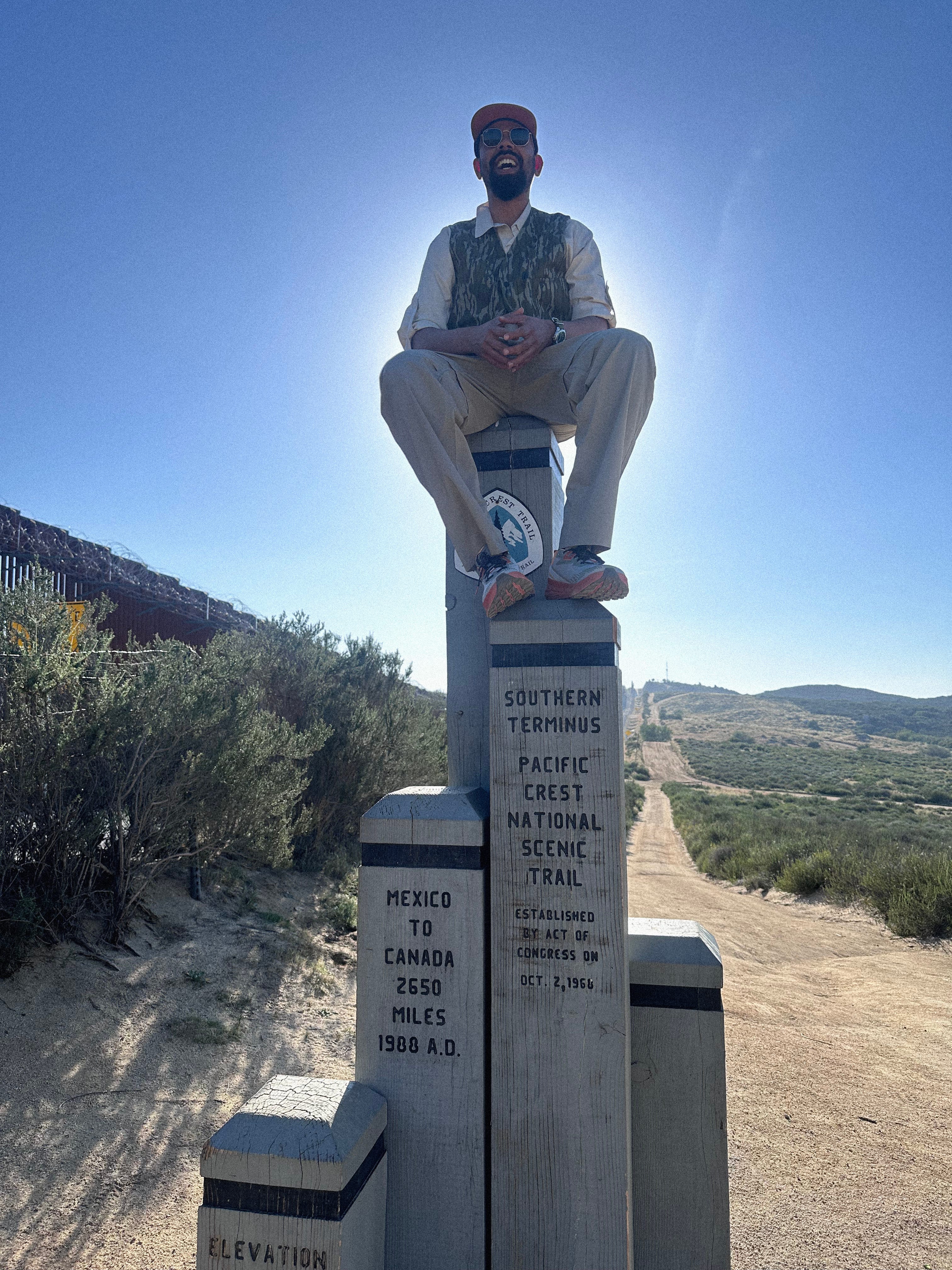
After years of putting it off, there was nowhere left to defer it to.
The desert was right in front of me.
I started walking.