

I stand in front of the open refrigerator and freeze.
Protein shakes, soft drinks, sparkling water, two kinds of leftovers, salads, cheese, fruit, a half-eaten cake among other things. The light is bright and the air is cold, and nothing is asking anything of me. I can choose any of it or none of it. The decision is soft and almost meaningless.
For the last five and a half months, the only choice that mattered was whether I would take the next step.
Life on the Pacific Crest Trail is simple. But it is incredibly hard.
It is simple because there is only one goal: the Canadian border. Everything else falls away. You do not decide what to do with your life. You do not choose between careers or relationships or cities. You do not manage a calendar or answer emails or wonder whether you are falling behind in life. You have one task. You take one step, then another.
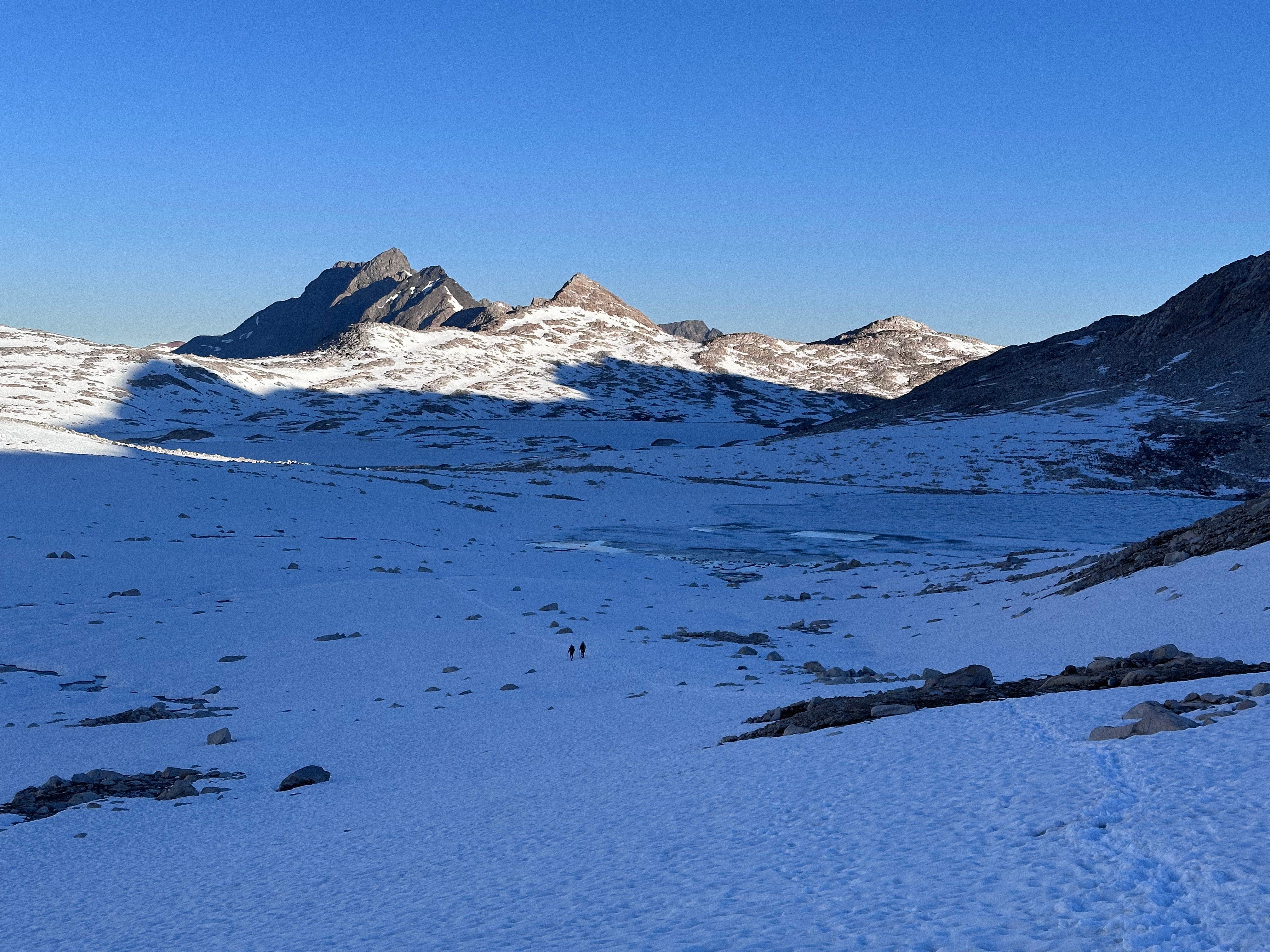
The day reduces itself to a short, repeating list: walk, drink water, eat, find a place to sleep. What will I wear? Whatever I wore yesterday. What will I eat? Whatever is left in the bag. Who will I see? Whoever happens to be walking in the same direction.
The trail does not care about your preferences. It only asks whether you will keep moving.
That simplicity is a kind of freedom. Most of the noise that fills ordinary life simply stops. There is no endless menu of options. You are reduced to a single, clear purpose and a body that must carry it out. In that reduction, something quiet appears. You discover how little you actually need.
I learned that most clearly in Northern California, around the Fourth of July.
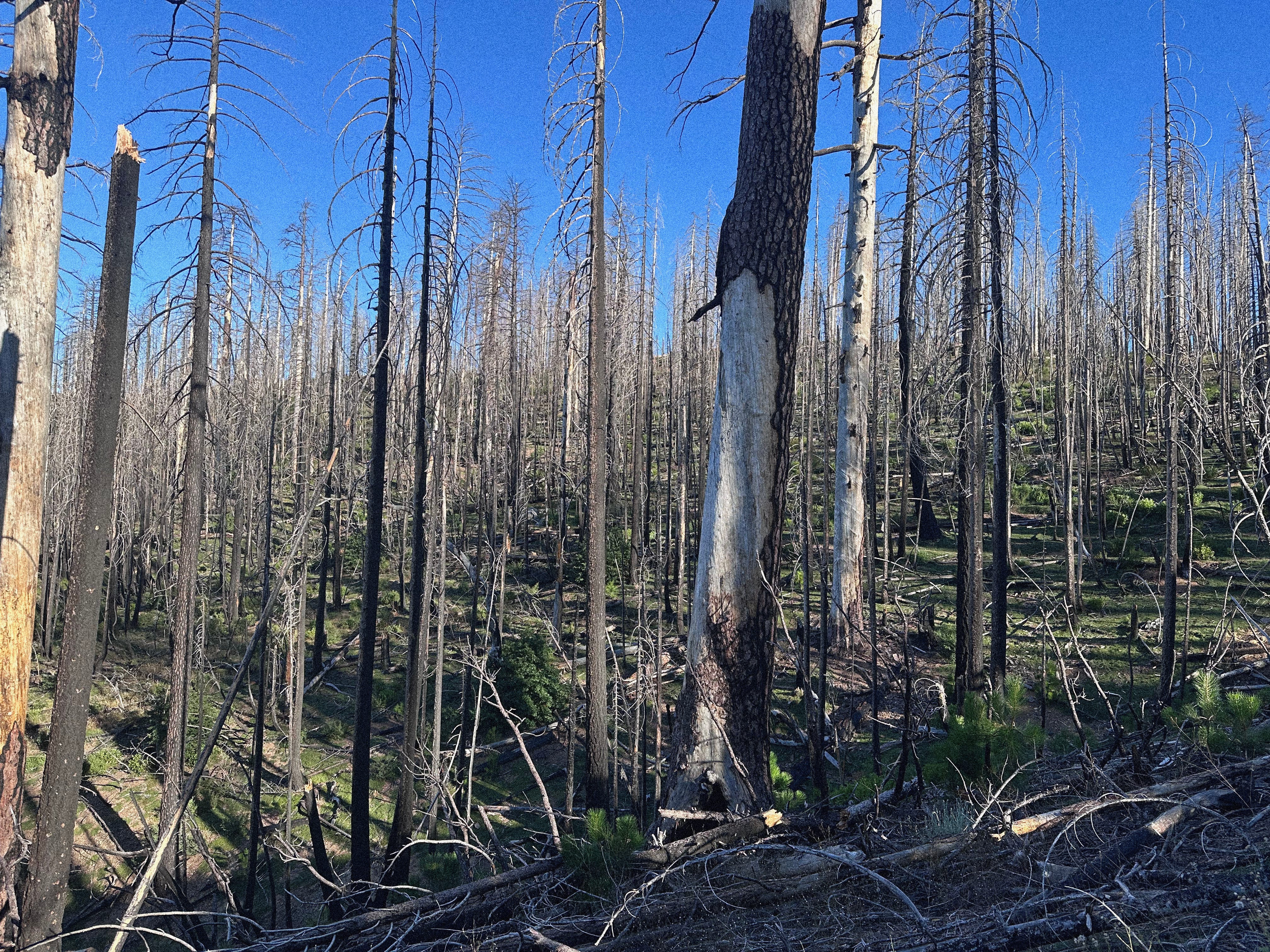
I was alone. A lot of hikers had skipped the section because of the burn scars from fires in previous years, and many others had gone off trail to celebrate. For days, I barely saw another person. The trail was overgrown and burnt, and there was very little that was beautiful about it. I remember being miserable. I remember cursing my own stubborn “follow the red blaze” mentality. I could have skipped it too. I could have found an easier, more enjoyable way forward.
Instead, I hiked on.
There was no revelation waiting around the next corner. No spectacular view. No sudden feeling that I was exactly where I was supposed to be. There was just the trail and the next step.
Eventually, I understood something that seems obvious now: I didn’t need to want to keep going. I just needed to keep going.
That was one kind of hard - the mental kind. The trail had another - the physical kind.
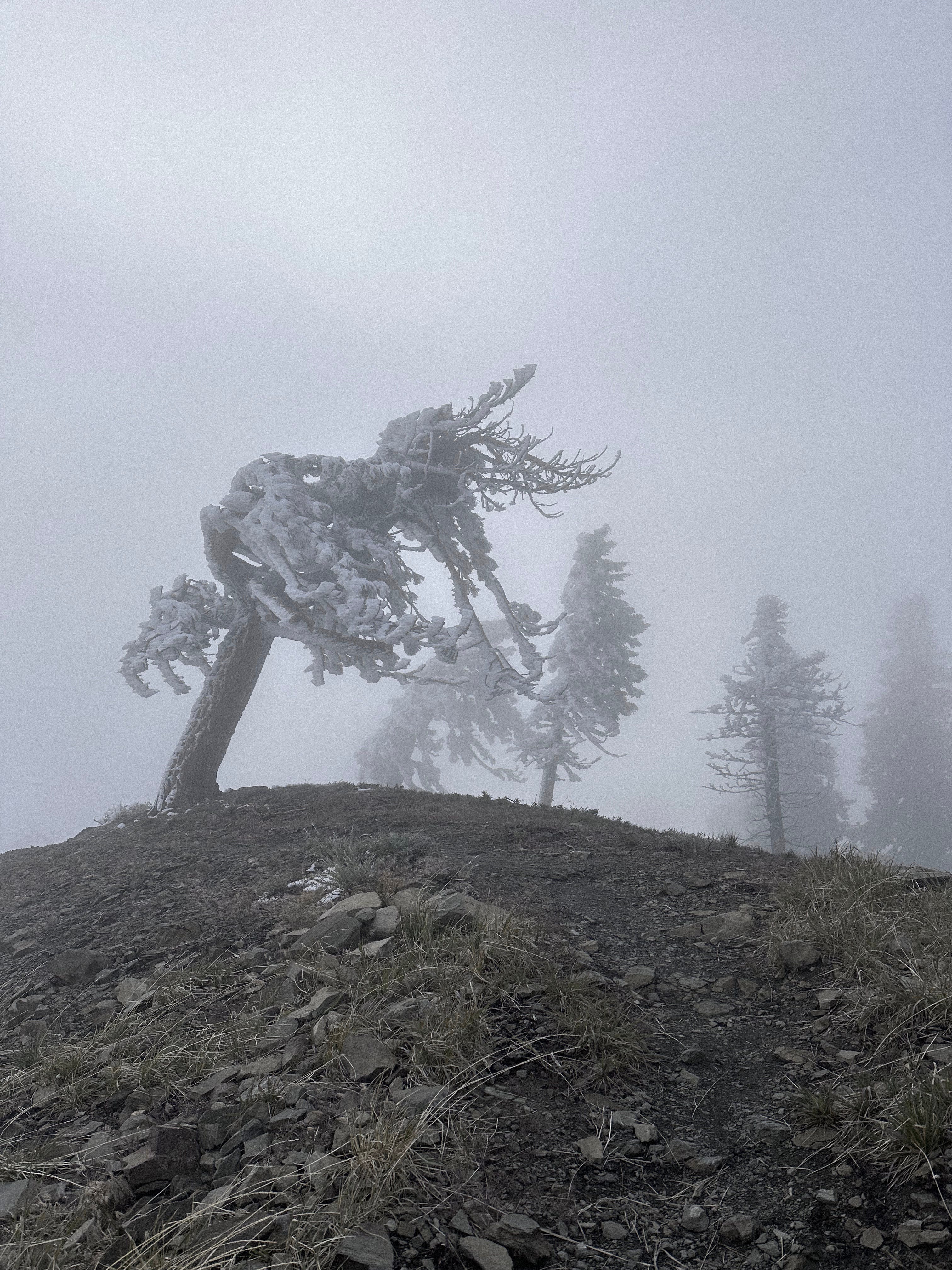
On the climb up to Wrightwood, it was sunny and bright. Twenty minutes later, we were in a snowstorm. Everything changed almost instantly. After hiking in it for a few hours, we found ourselves on a desolate highway, freezing, wet, and scared, trying to hitch into town.
The trail never promised certainty.
The weather could change. A water source could be dry. Your body, which felt strong yesterday, could refuse to cooperate today. You could be cold, exhausted, injured, or completely unsure what would happen next. You could not negotiate with a mountain or schedule a meeting with the weather. Sometimes the only thing you could do was stand there, wet and freezing, and figure out the next thing.
I used to sing Tool’s “Lateralus” from the album of the same name, on the long climbs. The song became a kind of soundtrack for the trail: keep moving, stop overthinking, take the next step. Out there, the instruction was literal.
One step. Then another.
Life back home is the exact opposite - complex but easy.
It is complex in a way that can feel overwhelming. The choices are everywhere, but most of them are small. What should I watch tonight? What should I eat? Should I go for a bike ride or a run? Should I work, relax, go out, stay home? There is always another option, another opinion, another thing I could be doing. The city multiplies choices while cushioning consequences.
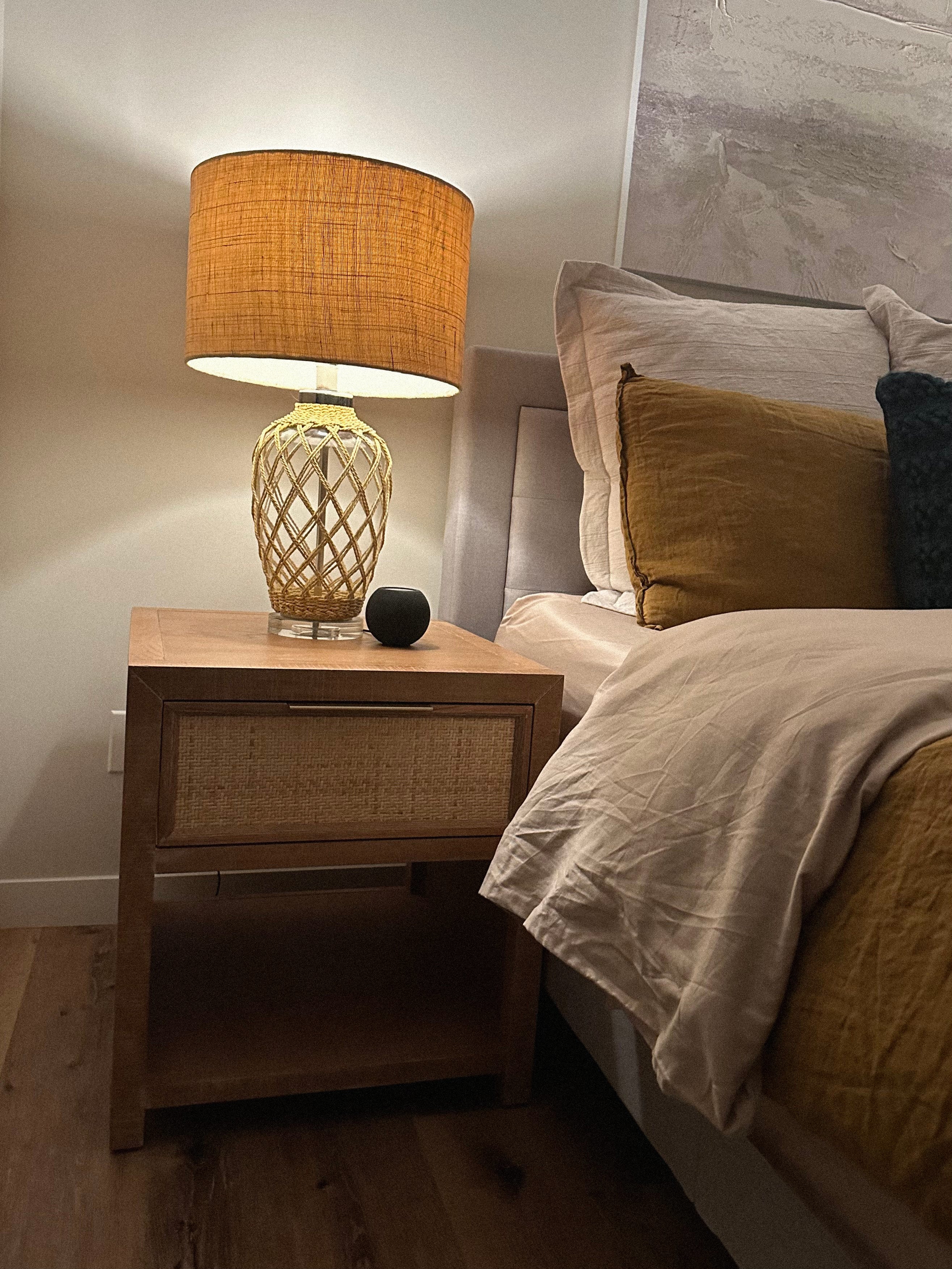
Food appears when you want it. Shelter is reliable. The bed is perfectly flat and cushioned. The temperature changes because I tell Siri to set it to 23°C. Entertainment is endless. Physical discomfort can be avoided for long stretches. I can spend days making choices without ever actually doing anything difficult.
When I came home, I expected to feel relieved.
Instead, I felt strangely empty.
I slept a lot. I sat in front of the television, first unable to decide what I wanted to watch. Then, even after I found something, it would play while my mind wandered somewhere else. I would just lie there.
One day, I couldn’t decide whether I wanted to go for a bike ride or a run. I ended up doing neither.
On the trail, I could be exhausted and miserable and still move forward.
At home, I was comfortable enough to do nothing.
That was harder to understand.
The trail had taken away most of my choices, but in doing so, it had given me momentum. Every morning there was somewhere to go. Every day there was a distance to cover. I didn’t need to ask myself whether I felt motivated enough to start. I started because that was what the day required. That, I think, was the real gift of the trail. It wasn’t that the trail made me motivated. It was that it made motivation unnecessary.
Back home, everything is optional.
Maybe that is the problem.
I do not miss the blisters or the cold or the days when every step felt impossible. I don’t miss being wet on the top of a mountain in a snowstorm, or walking alone through burnt and overgrown country wondering why I had chosen to be there.
I miss the structure.
Steven Wilson’s “Routine,” from the album Hand. Cannot. Erase., understands something about this. The song captures the strange comfort of repeating the same things every day, of having a structure that tells you what comes next. On the trail, that structure was imposed on me.
Wake up. Pack. Walk. Eat. Drink. Sleep. Repeat.
I came home expecting freedom to feel like relief.
Instead, I found myself filling my days without really knowing what I was filling them with.
Maybe the answer isn’t to recreate the trail. Maybe I don’t need its hardship. Maybe I need some of its constraints. Maybe I need routines that make the next step obvious before I have a chance to talk myself out of taking it.
I close the refrigerator.
The light goes out. The choices remain, soft and endless.
For five and a half months, I knew what came next.
Now I have to decide.